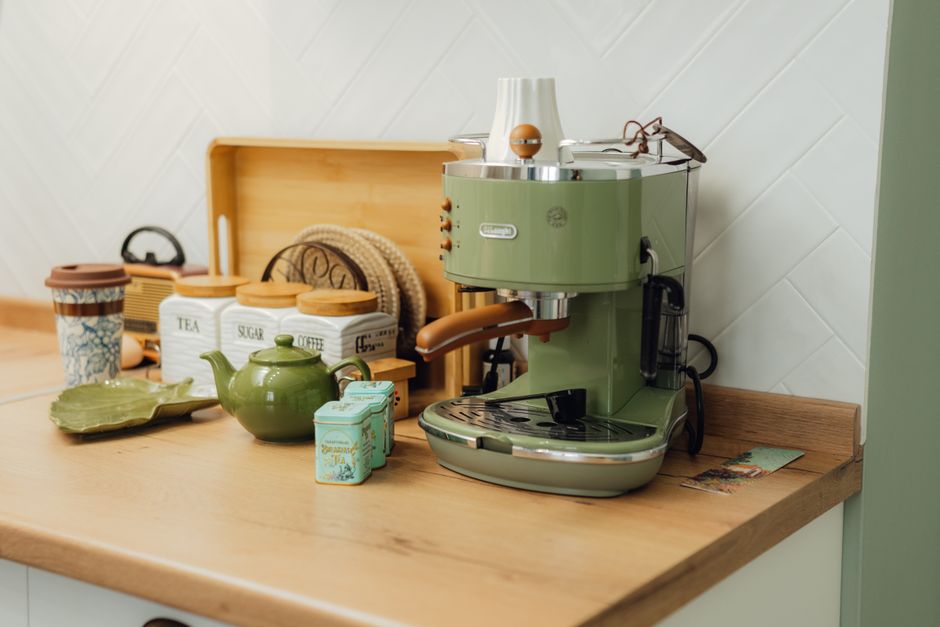
As the sun dips below the horizon, the kitchen counter is cluttered with remnants of a hectic day. A half-eaten sandwich lies next to an unopened planner, its pages untouched, while a phone notification interrupts the quiet, pulling attention away from the evening reset. This is the moment when good intentions around building a weekday routine often falter; the plan to set out breakfast items for the morning gets overshadowed by distractions and disarray.
In the midst of this chaos, the simple act of placing a bowl and spoon where they can be seen becomes a missed opportunity. Instead of preparing for a fresh start, the focus shifts to the glowing screen, causing the evening routine to break before it even begins. This disruption highlights a critical friction point: without a clear sequence of actions, the small habits meant to anchor the day can easily slip away, leaving behind a sense of inconsistency that complicates the path to establishing a reliable routine in a new place.
The Evening Reset That Gets Overlooked
The kitchen counter is a chaotic display of the day’s remnants: an empty coffee cup, a crumpled takeout bag, and a half-opened mail pile. The planner lies closed on the table, its blank pages a stark reminder of the disorganization that has taken over. It’s during this ordinary weekday moment, just after dinner, that the intention to reset for tomorrow begins to unravel. The phone buzzes with a notification, pulling attention away from the evening routine and toward the glowing screen. This distraction disrupts the flow, making it all too easy to skip the small but crucial steps that set the stage for a successful morning.
Instead of taking a moment to set out breakfast items—like placing a bowl and spoon prominently on the counter—focus shifts to the phone, where a social media alert demands immediate attention. This simple act of preparation, which could have anchored the morning routine, is overshadowed by the allure of notifications. The evening routine falters as the clutter remains, and the planner stays unopened, signaling a missed opportunity to create a structure for the next day. Without a clear sequence of actions, the small habits intended to foster consistency can easily dissolve, leaving behind a sense of disorder that complicates the effort to establish a reliable routine in this new environment.
What Happens When the Day Starts Late?
Evening resets can quickly unravel when the day starts late. Picture this: it’s 7:30 PM on a Wednesday, the kitchen counter is cluttered with remnants of a busy day, and the planner lies closed on the table, untouched. You intend to prepare for tomorrow by laying out breakfast items—perhaps a bowl and spoon for cereal, or a mug for coffee—but the moment you reach for the bowl, your phone lights up with a notification. This interruption shifts your focus away from the evening routine.
Checking the phone feels harmless at first, but it leads to a cascade of delays. Instead of completing the small habit of setting out breakfast, you find yourself scrolling through messages and social media posts, losing track of time. The decision to respond to a quick text or glance at a news update can easily stretch into several minutes, pushing your evening routine further off track. As the clock ticks, the initial intention to create a calm start to the next day slips away, leaving the kitchen in disarray and the planner still closed.
This friction point—the moment the phone notification interrupts your reset—creates a ripple effect. Without that crucial step of preparing the kitchen, you miss out on the psychological benefit of seeing your breakfast items ready to go in the morning. The clutter remains, and the evening routine falters, making it harder to regain control over your weekday structure. The small habit of preparation, which could have anchored your routine, is lost amid distractions, complicating your efforts to establish consistency in this new space.
The Mechanism of Routine Breakdown
A slightly different version of this problem appears in Everyday Life In The, where the sequence changes but the hidden drag feels familiar.
After a chaotic weekday, the kitchen counter often reflects the day’s disarray. Dishes pile up, and the planner sits closed, untouched, on the table. This clutter signals the start of a familiar struggle: the evening reset. Good intentions to prepare for the next day slip away as distractions creep in. A phone notification buzzes, pulling focus from the task at hand. Instead of laying out breakfast items, the urge to check the message takes over, and suddenly, the evening routine begins to unravel.
The ripple effect of starting late is palpable. Without the small habit of setting out your breakfast items, the morning becomes a scramble. You miss the calming visual of a neatly arranged counter, which could set a positive tone for the day. The act of placing a bowl, spoon, and cereal box within reach is more than just preparation; it’s a psychological anchor that helps maintain consistency. When that step is skipped, the chaos of the previous day lingers, making it harder to regain control over your weekday structure.
As the evening wears on, the clutter remains, and the planner stays closed. The initial intention to create a calm start to the next day fades, revealing a hidden tradeoff: the choice between a moment of distraction and the benefit of a prepared space. This friction—where good intentions clash with the reality of interruptions—highlights why routines often falter in new places. The simple act of preparation, if overlooked, can lead to a cascading effect that disrupts the entire weekday routine.
A Simple Adjustment to Change the Sequence
If this pattern keeps repeating, Daily Routines Real Life extends the idea without leaving the niche.
At the end of a messy weekday, the kitchen counter is cluttered with remnants of hurried meals and scattered papers. The planner lies closed on the table, a silent witness to the day’s chaos. As you attempt to reset for the evening, the phone buzzes with notifications, pulling your attention away from the task at hand. This interruption throws off your focus, making it easy to overlook the small but crucial step of preparing for the next morning.
To regain control, place your breakfast items out the night before. Set a bowl, spoon, and cereal box on the counter where they are easily visible. This small adjustment eliminates the morning decision of what to eat, allowing for a smoother start. Additionally, consider leaving your phone in another room during this evening reset. By removing the distraction, you can dedicate those moments to organizing your space and planning your next day. The simple act of preparing your breakfast area can create a calming environment, helping to mitigate the friction that disrupts your weekday routine. When the evening routine is prioritized, the likelihood of a successful morning increases, reinforcing the importance of small habits in establishing a consistent life structure. What Gets Easier in the Next Time Block After a chaotic weekday, the kitchen counter can feel like a battleground of unwashed dishes and scattered items. As you begin your evening reset, take a moment to clear the clutter. Put away any leftover lunch containers and stack the dishes neatly. This simple act not only creates a more inviting space but also sets a tone for the tasks ahead.
Next, focus on preparing for the morning. Grab the cereal box from the pantry and place it next to the bowl you’ve set out earlier. This small but deliberate action means you won’t waste precious time deciding what to eat in the morning. The planner, which has been closed on the table all day, deserves attention too. Open it up and jot down a few key tasks for tomorrow. This not only helps organize your thoughts but also signals to your brain that the day is winding down and a new one is about to begin.
However, be mindful of distractions. If your phone buzzes with notifications during this reset, it can easily derail your focus. Consider silencing it or leaving it in another room entirely. By prioritizing these small adjustments, you create a smoother transition into the next day, making it easier to stick to your weekday routine. Each evening becomes a chance to reset, turning potential friction into a manageable flow.
As the evening winds down, it’s essential to recognize the small actions that can significantly impact your next day. Take a moment to place your coffee maker on the counter, ready for the morning brew. This simple act not only prepares you for a smoother start but also serves as a visual cue that your morning routine is already in motion. If distractions arise, like a buzzing phone, resist the urge to check it immediately. Instead, focus on the task at hand—setting out your breakfast items and jotting down tomorrow's priorities in your planner. These actions create a sense of readiness and help mitigate the friction that can disrupt your weekday routine.
Remember, the key lies in consistency. Each evening reset is an opportunity to reinforce your commitment to building habits in a new space. By establishing these small, visible checks, you reduce the chances of a chaotic start the following day. So, as you prepare for tomorrow, take a moment to ensure that your planner is open and your breakfast items are set out. This intentional setup can transform how you approach your weekday routine, turning potential disruptions into manageable steps.